Walk into two clinics offering the same services, and the difference can be felt instantly. One appears stark—plastic chairs, harsh lighting, and a purely functional reception desk. The other feels calmer, with comfortable seating, softer lighting, and a layout that seems intentionally designed for ease. The care may be identical, but the experience begins well before the consultation.
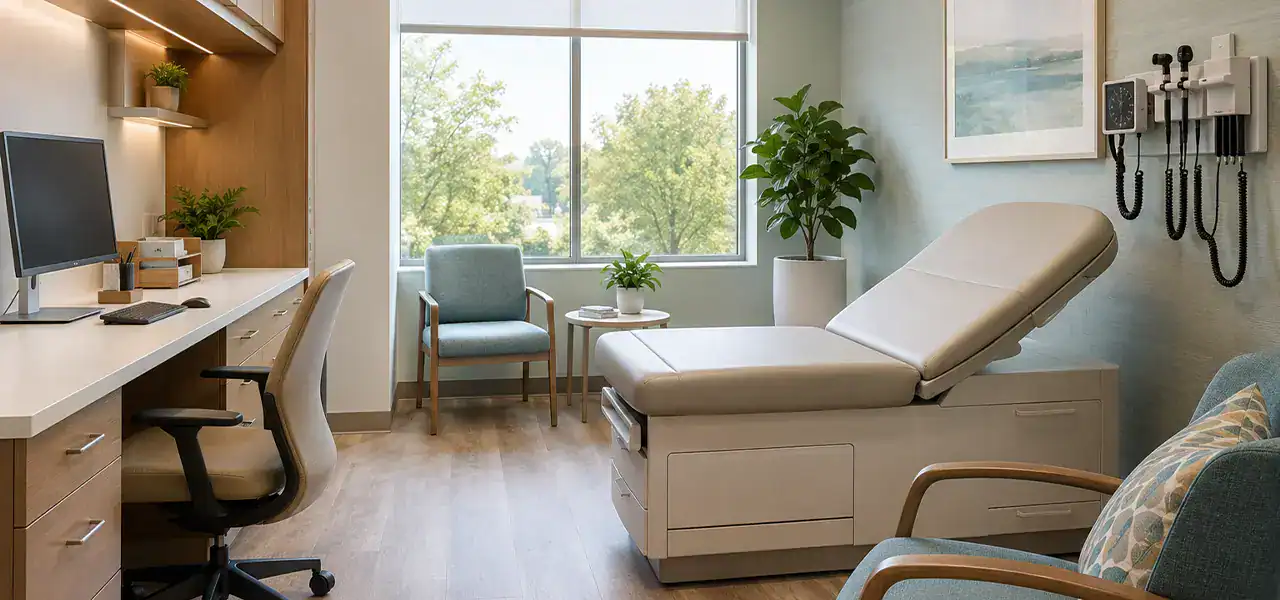
In a medical office, furniture does more than serve a practical purpose; it quietly shapes how patients feel, wait, and engage with care. Thoughtful choices can ease anxiety, improve comfort, and create a more reassuring environment.
A reliable medical furniture partner can help translate these ideas into practical, patient-friendly spaces that balance comfort, functionality, and long-term durability.
Why Patient Comfort Matters in Medical Office Design?
Patient comfort plays a key role in how healthcare spaces are perceived and experienced. It directly influences satisfaction, efficiency, and inclusivity.
- Improving Patient Experience: Comfortable environments help reduce anxiety and stress during medical visits. A welcoming setup also encourages positive feedback and builds long-term patient trust.
- Enhancing Care Perception: Well-designed waiting areas make patients feel valued. This improves how they perceive the quality of care even before meeting the doctor.
- Supporting Medical Staff Efficiency: Ergonomic furniture reduces fatigue for doctors and staff. Efficient setups, such as modular office workstations, also improve workflow and patient management.
- Ensuring Accessibility for All: Inclusive furniture accommodates elderly patients, children, and people with disabilities. Features like adjustable seating and accessible counters make the space more user-friendly.
Best Medical Office Furniture Ideas for Maximum Comfort
Designing for comfort means carefully selecting furniture that supports both patients and staff across different areas of the clinic.
- Welcoming Waiting Area Seating: The waiting area sets the tone. Use modular sofas, armchairs, and bariatric seating to create a warm, inclusive environment. Avoid rigid rows of plastic chairs, as they feel impersonal and increase discomfort.
- Ergonomic Reception Desk: As the first interaction point, the reception desk should feel organised and approachable. The right height, privacy panels, and clean cable management create a professional yet calming impression.
- Consultation Room Furniture: Chairs should support longer discussions comfortably. Adjustable doctor workstations allow flexibility between sitting and standing, while integrated cable management keeps the space organised.
- Staff Workstations and Nursing Counters: Modular workstations allow easy reconfiguration as operations grow. Storage units help maintain clutter-free and secure workspaces.
- Breakout and Staff Rest Areas: Comfortable lounge seating gives healthcare professionals a place to recharge, especially during long shifts. Durable, easy-to-clean materials are essential here.
Key Factors to Consider When Choosing Medical Office Furniture
Selecting the right furniture requires balancing hygiene, comfort, and long-term usability.
- Hygiene and Easy Sanitisation: Furniture should withstand frequent cleaning with disinfectants without losing its finish or quality.
- Ergonomics for Patients and Staff: Waiting chairs must support extended seating, while consultation chairs should allow easy movement, especially for elderly patients. Staff seating should offer proper lumbar and arm support.
- Accessibility and Inclusivity: Furniture and layouts must cater to all patients, including those with mobility, visual, or hearing challenges.
- Durability and Long-Term Value: Healthcare furniture faces heavy daily use. Choosing commercial-grade materials ensures durability and reduces replacement costs over time.
Layout and Space Planning Tips for a Comfortable Clinic
A well-planned layout improves both patient experience and operational efficiency.
- Optimising Patient Flow: Design a clear path from reception to waiting to consultation rooms. This reduces confusion and improves movement. Avoiding common planning errors is equally important, as discussed in our blog on mistakes to avoid when setting up a new office with modular furniture, which highlights how early design decisions can impact long-term efficiency.
- Creating Comfortable Waiting Areas: Use natural light where possible and avoid overcrowding. Add side tables, charging points, or reading materials for convenience.
- Ensuring Privacy in Consultation Areas: Proper desk placement and acoustic solutions help maintain confidentiality during discussions.
- Maximising Small Clinic Spaces: Use wall-mounted storage and compact furniture to make the most of limited space without compromising comfort.
Is your medical office furniture designed for patient comfort and efficiency?
Vlite Furnitech LLP creates functional spaces that enhance every visit.
How Vlite Furnitech Helps Create Patient-Centric Healthcare Spaces?
Vlite Furnitech offers end-to-end solutions tailored to the needs of modern healthcare environments.
- Healthcare-Grade Quality Standards: Furniture meets recognised certifications, ensuring durability and suitability for high-use clinical settings.
- Complete Clinic Furniture Solutions: From reception desks and waiting chairs to workstations and partitions, all requirements are covered under one roof.
- Customisation for Every Clinic Type: Solutions are tailored for different setups, including clinics, diagnostic centres, and hospitals, with flexibility in design and finishes.
- Trusted Industry Presence: With experience across multiple cities and healthcare projects, Vlite ensures timely delivery, professional installation, and reliable after-sales support as a trusted modular furniture supplier.
Conclusion
Designing a patient-friendly medical office is not about luxury; it is about creating a space where patients feel comfortable, respected, and cared for from the moment they walk in. Thoughtful furniture choices can ease anxiety, improve efficiency, and enhance the overall healthcare experience.
Whether you are setting up a new clinic or upgrading an existing one, the right partner can make all the difference. With the right expertise and solutions, it becomes easier to build a space that truly supports both patients and staff. To take the next step, contact us at Vlite Furnitech for expert guidance on designing a healthcare workspace tailored to your needs.
Looking to improve patient experience with smart furniture design?
Trust Vlite Furnitech LLP for ergonomic and welcoming healthcare interiors.
FAQs
1. What type of furniture improves patient comfort in a medical office?
Comfortable, cushioned seating with proper back support, along with well-designed reception desks and treatment tables, can enhance patient comfort. Materials that are easy to clean also add to the experience.
2. How can medical office furniture design reduce patient anxiety?
Furniture with softer edges, calming colours, and supportive seating helps create a more welcoming environment. A well-planned layout that avoids crowding can also help patients feel at ease.
3. What features should waiting room furniture for clinics include?
Waiting room furniture should offer ergonomic support, easy maintenance, and durable upholstery, along with adequate spacing. Modular seating options can help adapt to different patient volumes.
4. Why is ergonomic furniture important in healthcare settings?
Ergonomic furniture supports proper posture for patients and staff, reducing physical strain during waiting or treatment. This improves comfort, efficiency, and overall well-being.
5. How do I choose the best medical office furniture for my clinic design?
Focus on comfort, durability, hygiene, and design compatibility with your clinic’s layout. Working with a reliable partner like Vlite Furnitech helps ensure the selections meet functional and patient-centric needs.

Vishnu Sharma
I am the co-founder and CEO of Vlite Furnitech, creating modular office solutions since 2009. With a background in Chemistry and Marketing, and experience as Regional Head at Featherlite, I help design ergonomic, adaptable, and sustainable workspaces. Alongside a team of 120+, we serve corporates like JCB, Just Dial, KFC, and educational institutions. Let’s connect to reimagine innovative, eco-friendly office environments.