Modern workplaces are evolving beyond rows of desks and enclosed meeting rooms. Today, organisations are placing greater emphasis on creating environments that support collaboration, flexibility, employee well-being, and positive visitor experiences. As office design continues to adapt to changing work styles, office sofas and breakout seating have become important elements of contemporary workspace planning.
From informal brainstorming sessions and employee lounges to reception areas and collaborative zones, the right seating solutions can influence how people interact, work, and perceive a business. They help create comfortable spaces that encourage communication while contributing to the overall aesthetic and functionality of the workplace.
Whether you are designing a new office, renovating an existing space, or looking for smarter seating options for limited floor areas, understanding how to select and use office sofas effectively can make a significant difference. This guide explores workplace trends, buying considerations, space-saving solutions, and practical implementation strategies to help you make informed decisions.
Understanding the Modern Workplace Need for Office Sofas
Why Sofas Matter Beyond Comfort
Office sofas are no longer viewed simply as comfortable seating additions. In modern workplaces, they serve a strategic purpose by supporting different styles of work and interaction. Employees often need spaces where they can move away from their desks for quick discussions, focused thinking, or informal collaboration.
Well-designed seating areas also contribute to employee satisfaction. A workplace that offers comfortable and inviting spaces can help create a more positive environment while supporting a balanced work experience throughout the day.
The Strategic Role of Breakout Seating
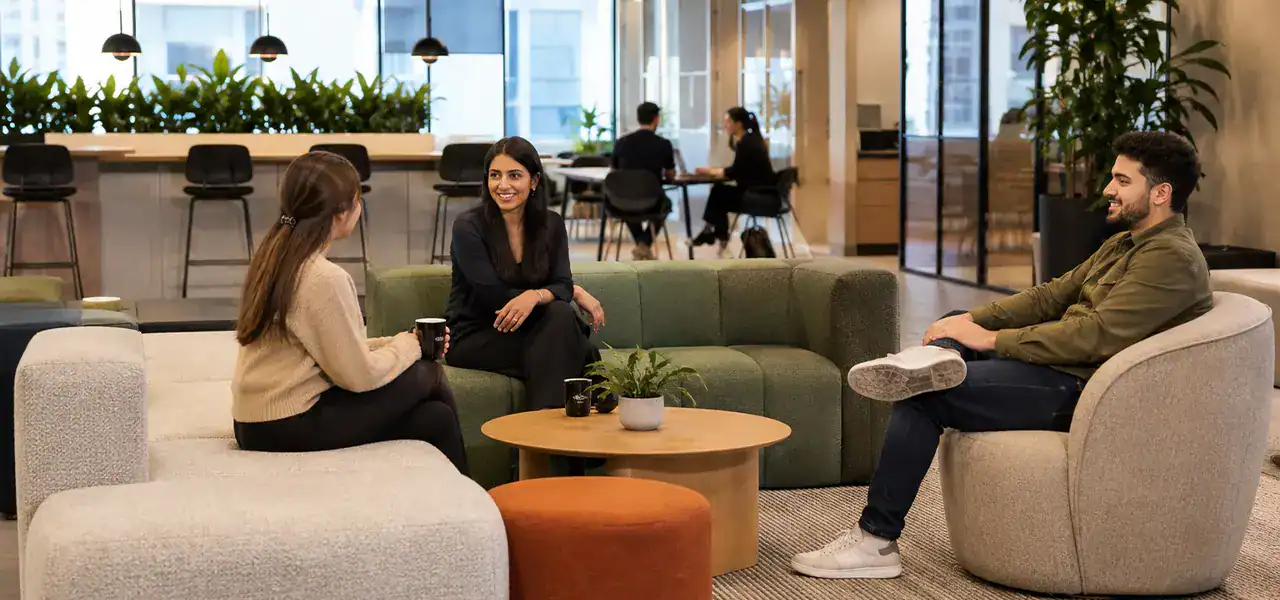
Breakout seating has become an essential component of workplace design because it accommodates activities that do not require formal meeting rooms. These spaces can support:
- Collaborative Discussions: Encourages spontaneous conversations and team interactions.
- Creative Brainstorming: Provides a convenient setting for quick discussions and informal catch-ups, reducing reliance on formal meeting rooms, while dedicated conference and meeting room furniture supports longer discussions, presentations, and strategic meetings.
- Short Meetings: Reduces dependency on formal conference rooms.
- Employee Breaks: Offers a comfortable place to recharge during the workday.
- Hybrid Working Needs: Supports flexible work patterns and informal work settings.
When thoughtfully integrated, breakout seating helps create a workplace that feels more adaptable, welcoming, and employee-centric.
Current Office Sofa Trends for 2026
A combination of functionality, flexibility, and design is shaping office seating trends in 2026. Businesses are looking for furniture that not only complements office aesthetics but also adapts to changing workplace needs.
Modularity & Flexibility
Modular seating continues to gain popularity because it can be reconfigured as teams grow or workplace layouts evolve. Organisations can easily adapt seating arrangements without investing in entirely new furniture.
Minimalist Aesthetics
Clean lines, uncluttered forms, and understated designs remain a preferred choice. Minimalist sofas help create professional environments while allowing offices to maintain a timeless appearance.
Acoustic & Sound-Dampening Features
As open-plan offices remain common, furniture that contributes to acoustic comfort is becoming increasingly valuable. Sofas with higher backs and privacy-focused designs can help reduce distractions in collaborative spaces.
Sustainable & Eco-Conscious Materials
Sustainability is influencing purchasing decisions across industries. Many organisations are selecting seating solutions made from responsibly sourced materials, recycled fabrics, and durable components that support long-term use.
Colour Psychology in Office Spaces
Colour selection now plays a more intentional role in workplace design.
- Blue Tones: Promote focus and professionalism.
- Green Shades: Support calmness and balance.
- Earthy Neutrals: Create warmth and versatility.
- Accent Colours: Encourage creativity and visual interest.
Tech-Integrated Seating
As technology becomes increasingly embedded in everyday work routines, office furniture is evolving to support a more connected and efficient workplace. Tech-integrated seating is gaining popularity as organisations look for ways to enhance convenience, improve productivity, and accommodate the needs of a digitally driven workforce. By incorporating technology directly into furniture, businesses can create workspaces that support seamless collaboration and reduce interruptions caused by limited access to power sources.
Some of the popular features include:
- Built-in Charging Ports: Allow employees and visitors to conveniently charge smartphones and other devices.
- Power Outlets: Provide easy access to power for laptops and work equipment.
- USB Connectivity: Supports device charging without the need for additional adapters.
- Device-Friendly Armrests: Offer practical spaces for holding phones, tablets, or small accessories.
- Integrated Work Surfaces: Create functional areas for quick tasks, note-taking, or laptop use.
Many organisations are also incorporating soft seating solutions that combine comfort, flexibility, and mobility, helping create adaptable work environments that support both individual and collaborative tasks.
Office Sofas for Small Spaces: Smart Solutions
Maximising Comfort in Compact Offices
Limited floor space does not mean sacrificing comfort, functionality, or aesthetics. With thoughtful planning and the right furniture choices, smaller offices can create welcoming seating areas that support employees, visitors, and collaborative work without making the environment feel crowded. The key is to select seating solutions that maximise usability while maintaining an open and organised layout.
Space-Saving Sofa Solutions
Several sofa styles work particularly well in compact office environments.
- Two-Seater Sofas: Two-seater sofas are an excellent choice for smaller reception areas, manager cabins, and breakout spaces. They provide comfortable seating for two people while occupying less floor space than larger sofa configurations, making them ideal for offices with limited square footage.
- Sectional Sofas with Flexible Configurations: Modular sectional sofas offer adaptability and can be rearranged as workplace requirements change. This flexibility allows organisations to create collaborative zones, waiting areas, or informal meeting spaces without committing to a fixed layout.
- Sleek, Elevated Leg Designs: Sofas with raised legs expose more floor area, creating a greater sense of openness. This simple design feature can make compact spaces appear larger and less visually cluttered while maintaining a modern aesthetic.
- Low-Profile & Slim Arms: Bulky furniture can overwhelm smaller offices. Sofas with slim armrests and streamlined profiles provide comfortable seating while reducing visual weight, helping spaces feel more open and balanced.
A carefully selected three-seater sofa can also provide efficient seating capacity in compact meeting areas or lounges without requiring multiple furniture pieces. By combining smart furniture selection with thoughtful space planning, organisations can create comfortable, functional environments that maximise every available square metre.
Material & Colour Choices for Small Spaces
Lighter colour palettes often help smaller offices feel more open and spacious. Neutral shades such as beige, grey, and muted earth tones create a clean and professional appearance while complementing a wide range of interior styles.
Durable fabrics with easy maintenance requirements are also important for long-term performance in high-traffic areas.
Placement Strategy
The effectiveness of office seating depends as much on placement as furniture selection. Consider the following approaches:
- Position sofas near natural light where possible to create a more inviting environment and enhance the overall comfort of the space for both employees and visitors.
- Avoid obstructing key circulation paths to ensure smooth movement throughout the office and maintain accessibility across different work zones.
- Create defined seating zones without overcrowding the area, allowing spaces to feel organised, functional, and visually balanced.
- Use furniture placement to clearly distinguish collaborative areas from focused workspaces, helping support different work styles while minimising distractions.
Strategic placement helps maximise functionality while maintaining a comfortable flow throughout the office.
Is your workplace missing comfortable spaces for collaboration and relaxation?
Discover premium office sofas and breakout seating with Vlite Furnitech LLP.
Why Guest Seating Matters: The Business Case
First Impressions & Client Perception
Guest seating often forms one of the first physical touchpoints visitors experience when entering an office. Comfortable, well-designed seating communicates professionalism, attention to detail, and a commitment to visitor comfort.
Reception and waiting areas can significantly influence how clients, partners, candidates, and stakeholders perceive a business before any conversation begins.
Functional Benefits of Strategic Guest Seating
Effective guest seating delivers benefits that extend beyond aesthetics.
- Separates Client Zones from Work Areas: Maintains privacy while reducing workplace disruption.
- Facilitates Informal Client Conversations: Supports quick discussions outside formal meeting rooms.
- Demonstrates Company Culture: Reflects organisational values and workplace priorities.
- Extends Meeting Capacity: Provides alternative spaces when conference rooms are occupied.
Thoughtfully planned seating can improve both visitor experience and operational efficiency.
Psychological Impact of Comfort
Comfort has a direct influence on how people feel within a space. Visitors who feel relaxed are often more receptive during conversations and interactions.
Similarly, candidates attending interviews may develop stronger impressions of an organisation when they experience a welcoming environment. Comfortable seating helps reduce tension, supports positive engagement, and contributes to a more memorable visitor experience.
How to Choose the Right Office Sofa: A Buyer’s Framework
Selecting the right office sofa requires balancing functionality, durability, aesthetics, and future workplace needs.
Step 1: Define Your Primary Use Case
Begin by identifying how the sofa will be used.
- Reception seating designed to create a positive first impression while providing a comfortable waiting experience for visitors and clients.
- Collaborative work areas that encourage team discussions, brainstorming sessions, and spontaneous interactions in a relaxed setting.
- Employee breakout zones that offer staff a comfortable space to unwind, recharge, or engage in informal conversations.
- Waiting lounges that balance comfort and professionalism while accommodating guests, candidates, or stakeholders.
- Informal meeting spaces that provide a flexible alternative to traditional conference rooms for quick discussions and one-on-one interactions. The intended purpose should guide every subsequent decision.
Step 2: Assess Space & Dimensions
Measure available floor space carefully and account for walkways, accessibility requirements, and adjacent furniture. Consider both physical dimensions and visual scale to ensure the sofa complements the overall layout.
Step 3: Evaluate Durability & Materials
Look for materials that can withstand daily use while remaining easy to maintain. Some of the key considerations include:
- Upholstery durability
- Stain resistance
- Frame construction
- Cleaning requirements
- Warranty coverage
Step 4: Consider Modularity & Scalability
Flexible seating systems allow organisations to adapt layouts as teams and workplace requirements evolve.
Modular solutions can provide greater long-term value compared to fixed configurations.
Step 5: Budget Allocation
Rather than focusing solely on upfront cost, evaluate the total value of ownership. Consider the following:
- Product lifespan
- Maintenance expenses
- Replacement frequency
- Reconfiguration potential
Step 6: Supplier & Customisation Options
Partnering with an experienced manufacturer can significantly improve project outcomes. Assess suppliers based on:
- Product quality
- Design expertise
- Customisation capabilities
- Delivery timelines
- After-sales support
Selecting the right supplier ensures your seating investment aligns with both current and future workplace requirements.
Vlite Furnitech’s Modular Office Sofa Solutions
Why Modular Sofas Are the Smart Choice
Modern workplaces require furniture that can evolve alongside organisational needs. Modular sofas offer the flexibility to adapt layouts, support different work styles, and maximise space utilisation without compromising comfort or design consistency.
Key Advantages of Vlite’s Modular Approach
Vlite Furnitech’s modular sofa systems are designed to support dynamic workplace environments. The benefits include:
- Flexible configurations that can be rearranged to suit changing team structures, workspace layouts, and collaboration requirements without the need for significant furniture replacement.
- Efficient space utilisation by helping organisations maximise available floor area while creating comfortable and functional seating zones.
- Consistent design language across different office areas, contributing to a cohesive and professional workplace appearance.
- Easy future expansion, allowing additional modules to be incorporated as business needs evolve.
- Adaptability across departments, making the same seating system suitable for reception areas, breakout spaces, collaborative hubs, and informal meeting zones.
Configuration Examples
Modular sofas can be configured for a variety of workplace applications, including:
- Reception lounges that create a welcoming first impression while providing comfortable seating for clients, visitors, and job candidates.
- Breakout areas that encourage employees to relax, recharge, or engage in informal conversations away from their desks.
- Collaborative hubs designed to support brainstorming sessions, team discussions, and spontaneous interactions that foster creativity and teamwork.
- Informal meeting zones that offer an alternative to traditional conference rooms for quick discussions and one-on-one conversations.
- Executive waiting spaces that combine comfort and professionalism, helping create a refined experience for guests and stakeholders.
Fabric & Finish Options
A range of fabric choices, colours, and finishes allows businesses to align seating with workplace aesthetics and branding requirements while maintaining durability for everyday use.
Why Manufacturers Matter
Working with Vlite Furnitech, an experienced office furniture manufacturer, provides greater control over quality, customisation, project timelines, and long-term support. This partnership approach helps organisations implement seating solutions that align closely with their operational and design objectives.
Implementation Tips: Bringing It All Together
Maximise Your Sofa Investment
To achieve the best results, office sofas should be integrated into a broader workplace strategy rather than treated as standalone furniture pieces. Consider the following best practices:
- Align seating with workplace objectives by identifying whether the primary focus is collaboration, visitor comfort, employee well-being, or informal meetings. This helps ensure furniture choices support the intended function of each space.
- Create clearly defined collaboration zones that encourage teamwork and spontaneous discussions while minimising disruptions to focused work areas.
- Maintain consistent design throughout the office to create a cohesive, professional environment that reflects the organisation’s brand and workplace culture.
- Balance aesthetics with functionality by selecting seating that is visually appealing, comfortable, durable, and suitable for everyday use.
- Plan for future growth and flexibility by choosing adaptable furniture solutions that can accommodate changing team sizes, evolving work styles, and workplace reconfigurations.
Organisations can further improve long-term value by following proven tips for extending the lifespan of modular furniture, helping maintain both appearance and performance as workplace needs evolve.
Common Mistakes to Avoid
Even well-intentioned furniture investments can fall short if key planning considerations are overlooked. By being aware of common mistakes, organisations can make more informed decisions and create seating areas that remain functional and relevant over the long term.
- Prioritising Appearance Over Functionality: While aesthetics are important, office sofas should also support the intended purpose of the space. Furniture that looks impressive but lacks comfort or practicality may not deliver the desired user experience.
- Ignoring Traffic Flow Patterns: Poor furniture placement can disrupt movement throughout the workplace, making spaces feel crowded and difficult to navigate. Seating should complement the natural flow of people within the office.
- Underestimating Durability Requirements: Office sofas often experience daily use, particularly in reception areas and collaborative spaces. Choosing materials that are not suited to high-traffic environments can lead to premature wear and replacement costs.
- Purchasing Furniture Without Future Scalability: Workplace needs can evolve over time. Selecting flexible or modular solutions can help accommodate future changes without requiring significant reinvestment.
- Selecting Materials That Require Excessive Maintenance: Furniture should be easy to clean and maintain, particularly in busy office environments where appearance and hygiene are important.
Thoughtful planning helps maximise return on investment while creating seating solutions that support both workplace functionality and long-term value.
Looking to create engaging breakout zones that inspire productivity?
Vlite Furnitech LLP offers stylish seating solutions for modern workplaces.
Conclusion
Office sofas have evolved into valuable workplace assets that support collaboration, employee well-being, visitor experiences, and flexible working styles. Whether used in reception areas, breakout zones, collaborative hubs, or informal meeting spaces, the right seating solutions contribute to a more functional and welcoming workplace.
As organisations continue to prioritise employee experience and adaptable office environments, investing in thoughtfully designed seating becomes an important part of long-term workplace planning. From selecting the right configuration and materials to ensuring scalability for future growth, every decision can influence how effectively a workspace supports both people and business objectives.
By partnering with experienced workplace furniture specialists like Vlite Furnitech, organisations can access modular seating solutions tailored to modern workplace requirements. To explore office sofa solutions designed for flexibility, comfort, and performance, contact us and discover how the right furniture can help create a workplace that works better for everyone.

Vishnu Sharma
I am the co-founder and CEO of Vlite Furnitech, creating modular office solutions since 2009. With a background in Chemistry and Marketing, and experience as Regional Head at Featherlite, I help design ergonomic, adaptable, and sustainable workspaces. Alongside a team of 120+, we serve corporates like JCB, Just Dial, KFC, and educational institutions. Let’s connect to reimagine innovative, eco-friendly office environments.